
Production of eight infrastructure sectors expanded by 7.9 per cent in September -- the highest in three months -- on account of better show by coal, fertiliser, cement and electricity segments, according to official data released on Monday. In September last year, the growth rate stood at 5.4 per cent. It was 4.1 per cent in August. The previous high was in June when the output expanded by 13.1 per cent.

The growth of eight key infrastructure sectors slowed to 6.7 per cent in February, compared to the same month in 2023, on account of poor performance of some sectors like fertiliser, according to official data released on Thursday. However, the growth rate is higher than January this year.

The production of coal, refinery products and electricity grew by 8 per cent, 1.9 per cent and 2.8 per cent, respectively.

At present, e-mobike penetration in India is close to negligible, unlike the scooter segment, where electric scooters account for nearly 20 per cent of sales.

'Grassroots-level corruption, which disrupts the last-mile work, cannot be ignored in your enthusiasm and drive to get going to complete the project.' 'Like it was in MGNREGA, in some states, it is the case with the Jal Jeevan mission.' 'The last minute levels of corruption can ruin the intent of the project itself.' 'When you see that people can game a particular well-intended and well-crafted project, you need to correct that.'

As many as seven of eight core industries saw a contraction in output in September.

The Republic Day long weekend beginning Saturday is driving a surge in travel with hotels and resorts witnessing an increase in bookings led by high demand, reflecting a decisive shift in traveller behaviour and the rise of micro-getaways, industry players said. The increasing preference for short, experience-led holidays is emerging as a strong trend shaping the country's leisure travel market.

'It's a very, very large opportunity -- not just for India, but even for Uber globally.'

Several IITs have been pushing for a diversification of job profiles as roles move beyond just tech companies and start-ups, particularly with the advent of AI.

The production growth of eight infrastructure sectors -- coal, crude oil, natural gas, refinery products, fertiliser, steel, cement and electricity -- was 19.3 per cent in May 2022, the data showed. In June, the output of coal, refinery products, fertiliser, cement and electricity rose by 31.1 per cent, 15.1 per cent, 8.2 per cent, 19.4 per cent, and 15.5 per cent, respectively.

The growth of eight key infrastructure sectors rose to 5.2 per cent year-on-year in March due to improvement in the output of crude oil, cement and electricity, according to official data released on Tuesday. In 2023-24, the growth rate in the output of these eight sectors was 7.5 per cent, marginally down from 7.8 per cent recorded in the year-ago period.
The output of eight key infrastructure sectors slowed down to an eight-month low of 0.5 per cent in April due to contraction in the production of crude oil, refinery products and fertiliser. According to official data released on Tuesday, these eight sectors -- coal, crude oil, refinery products, natural gas, steel, cement, electricity and fertiliser -- expanded by 6.9 per cent in April 2024.

Sectors which recorded positive growth were coal, refinery products and fertiliser.
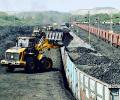
Production of eight infrastructure sectors increased by 5.4 per cent in November against a 3.2 per cent growth in the same month last year on a better show by coal, fertiliser, steel, cement and electricity segments, according to the official data released on Friday. Crude oil, natural gas and refinery products, however, recorded negative growth in November this year. The production growth of eight key sectors slowed down to 0.9 per cent in October.

Usually, in the western view, corporate success is attributed to efficiency, organisational structure, and scale. R Gopalakrishnan and Harish Bhat argue that philosophy, culture, and the transmission of values are more important for sustaining growth and profitability of an enterprise over a period of time.
Coal, crude oil, natural gas, cement, and electricity recorded a negative growth of 8.6 per cent, 5.4 per cent , 3.9 per cent, 4.9 per cent and 2.9 per cent, respectively, in August.

The output of eight key infrastructure sectors slowed down to 3.8 per cent in March, as against 6.3 per cent growth registered a year ago on account of moderate expansion in sectors like coal and crude oil, according to official data released on Monday. On a monthly basis, the growth rate in the production of these sectors was slightly higher than the 3.4 per cent expansion recorded in February.

The production of eight infrastructure sectors rose by 7.5 per cent in October on healthy performance by the segments of coal, natural gas, refinery products and cement, official data released on Tuesday showed. The output of eight core sectors of coal, crude oil, natural gas, refinery products, fertilisers, steel, cement and electricity had contracted by 0.5 per cent in October 2020, according to the data released by the commerce and industry ministry. Core sectors' growth stood at 4.5 per cent in September this year.

India's eight key infrastructure sectors' growth jumped to a 13-month high of 6.3 per cent in August 2025 on account of expansion in coal, steel, and cement production, according to official data released on Monday. The core sectors' output growth was 3.7 per cent in the previous month of July.

Production of eight infrastructure sectors expanded by 3.8 per cent in December 2021 against a 0.4 per cent contraction in the same month last year on better show by coal, cement and refinery products, according to the official data released on Monday. Barring crude oil and steel, all sectors recorded positive growth in December 2021. The core sector industries had grown by 3.4 per cent in November 2021.

The growth rate in the production of eight key sectors slowed down to a 20-month low of 0.1 per cent in October on account of contraction in the output of crude oil, natural gas, refinery products, and cement, according to the official data released on Wednesday. In October last year, these sectors expanded by 8.7 per cent. In September this year, the core sectors' output growth stood at 7.8 per cent.

The growth of eight core sectors slowed down to 2.6 per cent in August mainly due to contraction in steel output.

Natural gas and fertiliser output recorded a negative growth of 1.7 per cent and 1 per cent, according to the data of the Commerce and Industry Ministry.

The output had expanded by 4 per cent in March 2014.

Supply chains are evolving from operational backbones to strategic growth enablers for organisations, though they remain underleveraged and struggle for recognition at the executive level, a report by PwC India said. The survey highlighted that recent developments in the trade and tariff landscape represent both a stress test and a strategic inflection point for supply chains.

During April-May, growth in the eight core industries slowed to 3.3 per cent as against 4.9 per cent in the year-ago period.

Production of coal, crude oil, natural gas, refinery products, fertiliser, steel, cement and electricity contracted. The record contraction in the growth rate of eight core sectors will affect the Index of Industrial Production.

The output of eight key infrastructure sectors slowed down to a five-month low of 2.9 per cent in February, as against 7.1 per cent growth registered a year ago, according to official data released on Friday. On a monthly basis, the production growth of the core sectors was lower than the 5.1 per cent expansion recorded in January.

The eight core industries -- fertilisers, cement, steel, electricity, crude oil, coal, petroleum refinery products and natural gas -- have a combined weight of about 38 per cent in the Index of Industrial Production.

Barring coal and fertiliser, all sectors -- crude oil, natural gas, refinery products, steel, cement and electricity -- recorded negative growth in August.

Nayagam PP, founder of Edujob360, offers a list of the top entrance exams, their timelines, eligibility criteria, exam patterns and preparation strategies to help you plan the year ahead.

The output of eight key infrastructure sectors slowed down to 4 per cent in December 2024, as against 5.1 per cent growth registered a year ago, according to official data released on Friday. On a monthly basis, the growth rate in the production of these sectors was lower than the 4.4 per cent expansion recorded in November 2024.
The output of eight infrastructure sectors registered a growth of 3.6 per cent in March 2023, the slowest in five months, showed government data released on Friday. The output of core sectors had increased by 7.2 per cent in February 2023 and 4.8 per cent in the year-ago month. The previous low was 0.7 per cent in October 2022.
The production growth of eight infrastructure sectors slowed down to 4.3 per cent in March due to a decline in the output of coal and crude oil, though for the full 2021-22 fiscal, the core sector recorded a 10.4 per cent expansion, according to official data released on Friday. The eight infrastructure sectors - coal, crude oil, natural gas, refinery products, fertiliser, steel, cement and electricity - had expanded by 6 per cent in February. During April-March 2021-22, the eight sectors grew by 10.4 per cent compared to a contraction of 6.4 per cent in 2020-21. The output of coal and crude oil contracted by 0.1 per cent and 3.4 per cent in March.
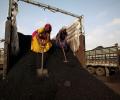
The growth in production of eight key infrastructure sectors entered a negative zone after three-and-a-half years, contracting 1.8 per cent in August 2024 due to decline in output of coal, crude oil, natural gas, refinery products, cement and electricity, according to official data released on Monday. The growth rate was 6.1 per cent in July. The growth of core sectors -- coal, crude oil, natural gas, refinery products, fertiliser, steel, cement and electricity -- was 13.4 per cent in August 2023.

Cement production contracted by 2.7 per cent as against an expansion of 6.2 per cent in October 2016.
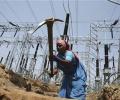
Coal and steel were only two sectors that saw some growth.

The output of eight key infrastructure sectors slowed down to 4.3 per cent in November 2024 against 7.9 per cent growth registered a year ago, according to official data released on Tuesday. On a monthly basis, the production growth of these sectors was higher than the 3.7 per cent expansion recorded in October 2024.

The core infrastructure industries had expanded by 5.2 per cent in the previous month.

Wholesale price inflation (WPI) softened to 0.13 per cent in September on easing in prices of food articles and manufactured items, government data showed on Tuesday. WPI-based inflation was 0.52 per cent in August and 1.91 per cent in September last year.
 © 2026 Rediff.com - Advertise with us - Disclaimer - Privacy Policy - Sitemap - Feedback - About us - Terms of use - Grievances